What is this machine used for?
Tiezheng drilling and tapping centers are reviewed for fixture-ready components that need drilling, tapping, light milling or multi-axis machining discussion. VT-series photos and videos show machine layouts; confirm the selected model specifications and configuration for your project.
When should buyers choose a drilling and tapping center?
A drilling and tapping center is usually reviewed when the part has repeat hole-making, tapping, light milling, chamfering or fixture-based operations and does not require the larger work envelope of a gantry machine. It can be a practical route for repeat CNC parts when drawings, cycle targets and workholding are clear.
What public evidence is connected to this machine family?
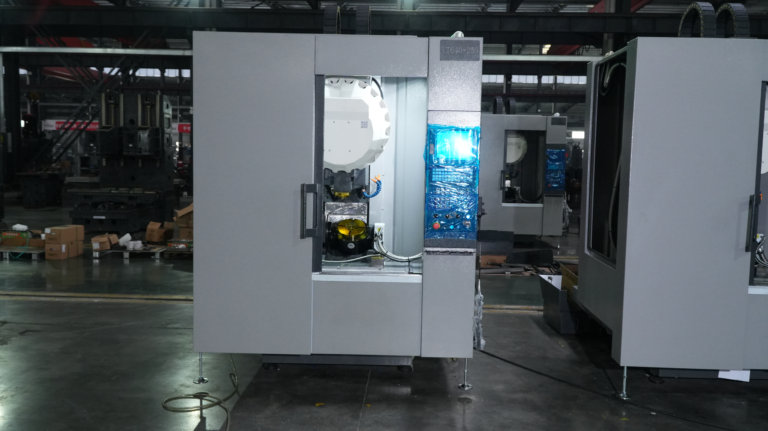
The photos and videos below show Tiezheng VT-series drilling and tapping centers; they do not prove exact speed, tolerance, output, CE scope or customer approval by themselves.

Which videos can buyers review first?
The videos below show Tiezheng machine layouts and operation context. Use them as visual references for machine layout, working context and operation discussion; final capability still depends on the selected configuration and workpiece drawing.
- VT640 drilling and tapping center product video
- VT840 drilling and tapping center product video
- VT1140 drilling and tapping center product video
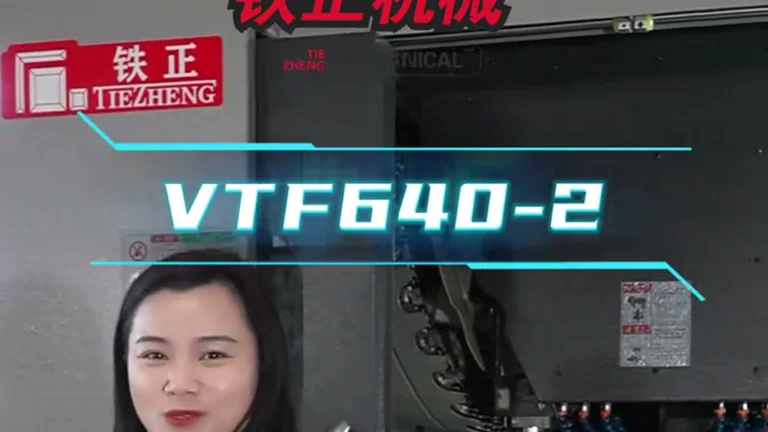
- VTF640-2 tapping and drilling center workshop explainer
What should be checked before selecting a VT-series route?
| Machine family | VT-series drilling and tapping centers for drilling, tapping, light milling, chamfering and fixture-based CNC machining review. |
|---|---|
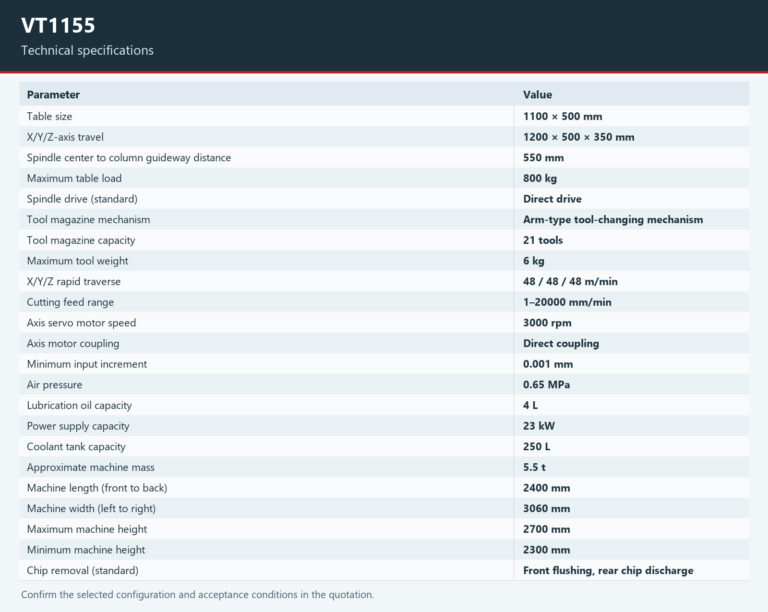
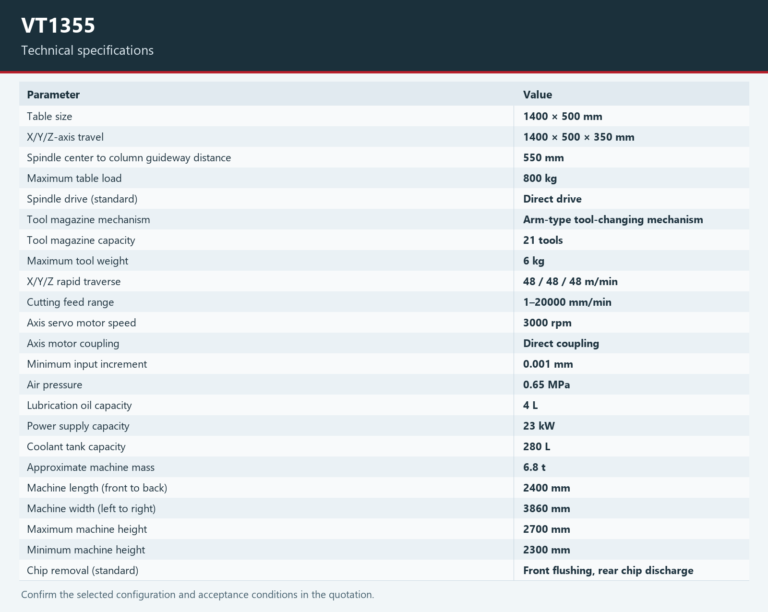
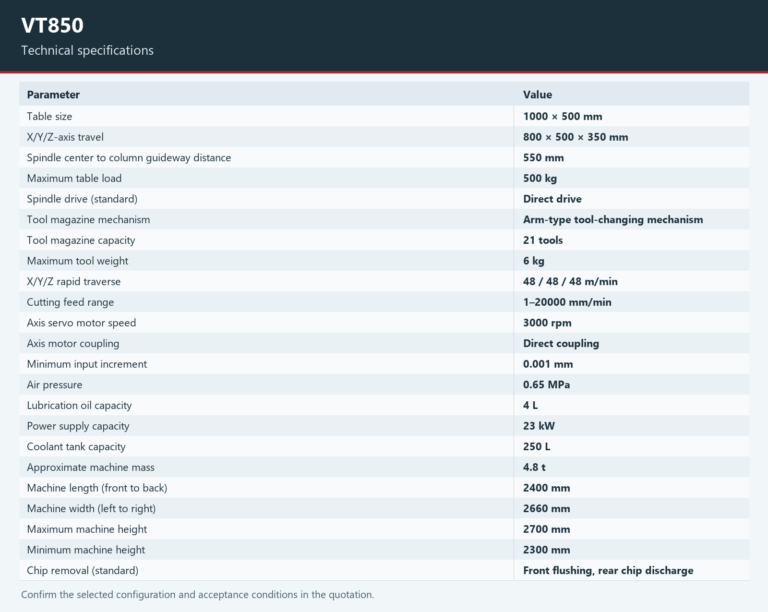
| Model examples | VT640, VT840, VT850, VT1140, VT1155 and related VT-series models should be matched to the workpiece drawing and fixture route. |
| Workpiece review | Send drawings with hole maps, thread requirements, material grade, blank condition, tolerance, fixture position and expected annual volume. |
| Configuration review | Confirm spindle/tapping requirements, tool capacity, fixture design, chip and coolant handling, optional axis needs, automation target and acceptance test. |
| Proof limit | Photos and videos show machine layouts. Confirm the model specifications and supplied configuration in your quotation and technical agreement. |
How should buyers prepare an RFQ?
- Send 2D or 3D drawings with hole positions, thread requirements, tolerances and material grade.
- List required operations such as drilling, tapping, chamfering, light milling, reaming or fixture-side machining.
- Share blank condition, expected annual volume, target cycle time and quality acceptance criteria.
- State whether loading is manual, fixture-based, pallet-based or intended for future automation.
- Confirm destination market, preferred controller, service expectations and certificate-document requirements.
What certificate resource should be treated carefully?
The milling-machine CE resource can support document review during procurement, but it should not be treated as a blanket compliance promise for every VT-series configuration. Buyers should confirm model scope, destination-market rules and project documentation needs before relying on it.
- Review the UDEM CE certificate resource for milling machines
- Compare vertical machining centers
- Prepare RFQ inputs before requesting a drilling and tapping center proposal
Buyer questions before quotation
Is a drilling and tapping center different from a vertical machining center?
It is usually reviewed for faster hole-making, tapping and lighter fixture-based machining routes. A vertical machining center may be better when the part needs broader milling flexibility or heavier cutting review.
Can the public videos prove final machining speed?
No. The public videos provide visual layout and operation context. Final speed, accuracy and cycle-time claims should be confirmed from selected model data, tooling, fixture design and acceptance testing.
Which VT models are shown as evidence?
Photos and videos on this page show VT640, VT840 and VT1140 machines. Ask the team about model availability and the configuration needed for your project.
What should I send for a more useful quotation?
Send drawings, material, hole and thread requirements, tolerance, operation list, fixture expectation, annual volume, target cycle time, destination market and service requirements.