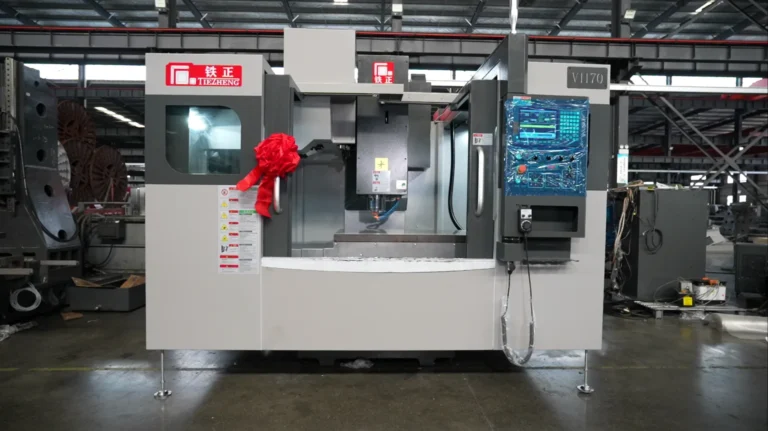
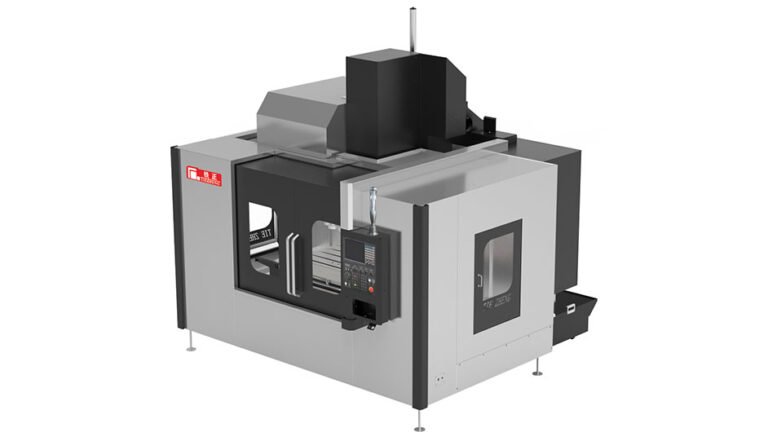
Compare the models below using their specifications, product photos and videos. Confirm the final configuration against your part drawing and production requirements.
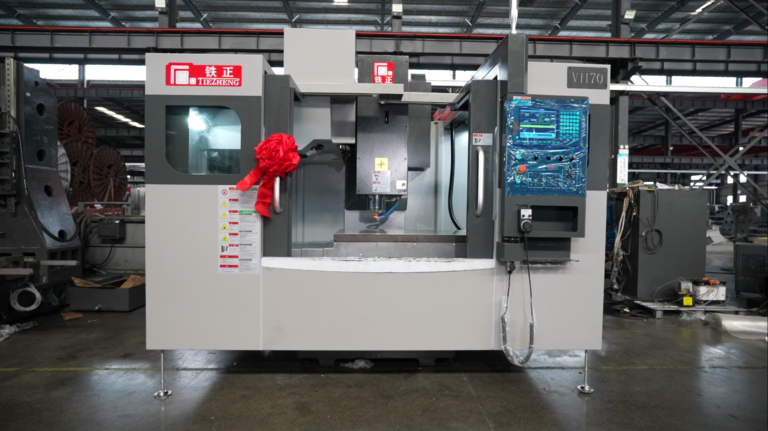
The Tiezheng V1160 is a V-series vertical machining center with a 1200 x 600 mm table, 1100 x 600 x 600 mm X/Y/Z travel and a 1000 kg table load. The reviewed source sheet records an
- Table size
-
1200 x 600 mm
- X/Y/Z-axis travel
-
1100 x 600 x 600 mm
- Maximum table load
-
1000 kg
Review specifications and product media
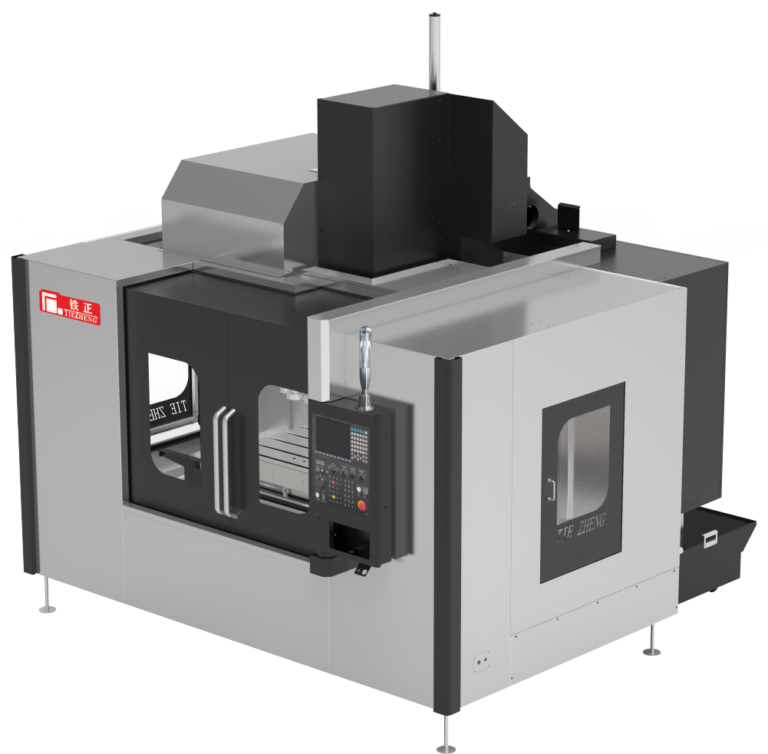
The Tiezheng V1168 is a V-series vertical machining center with a 1200 x 600 mm table, 1100 x 600 x 800 mm X/Y/Z travel and a 1000 kg table load. The reviewed source sheet records an
- Table size
-
1200 x 600 mm
- X/Y/Z-axis travel
-
1100 x 600 x 800 mm
- Maximum table load
-
1000 kg
Review specifications and product media
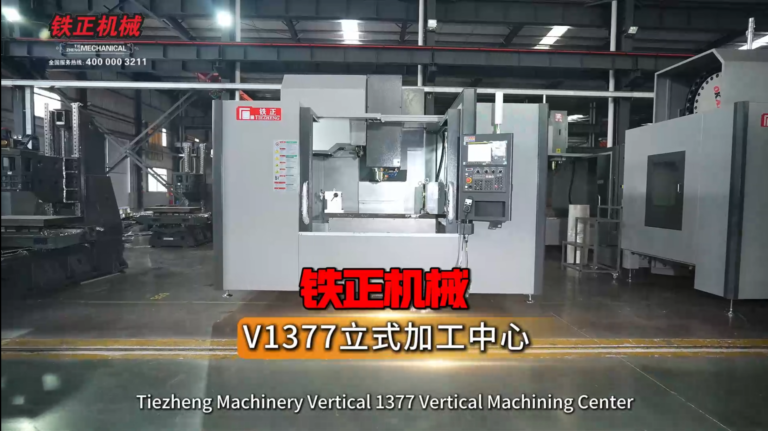
The Tiezheng V1377 is a V-series vertical machining center with a 1400 x 700 mm table, 1300 x 700 x 700 mm X/Y/Z travel and a 1300 kg table load. The reviewed source sheet records an
- Table size
-
1400 x 700 mm
- X/Y/Z-axis travel
-
1300 x 700 x 700 mm
- Maximum table load
-
1300 kg
Review specifications and product media
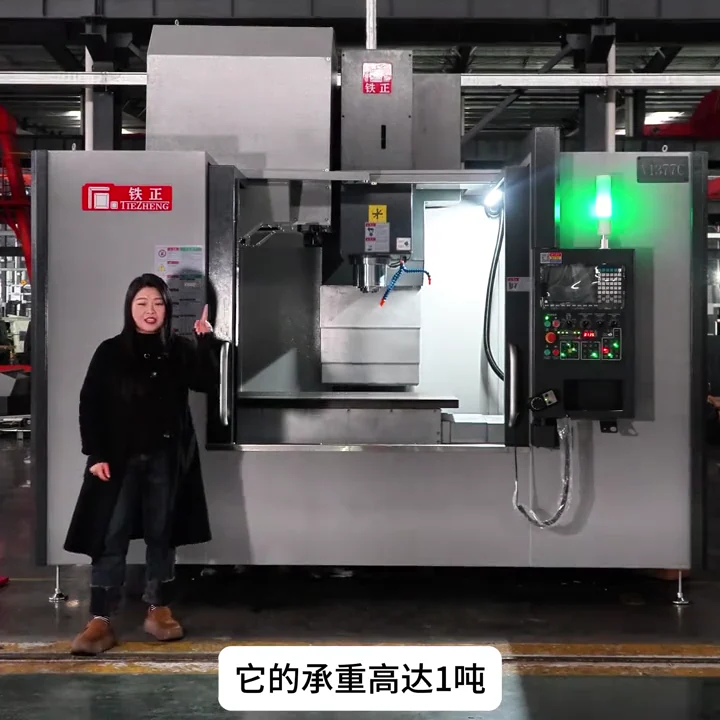
The Tiezheng V1377C is a vertical machining center shown in first-party factory footage. Published specifications list a worktable load of up to 1 tonne and X/Y/Z travel of 1300/700/700 mm; the footage also shows a three-axis
Review specifications and product media
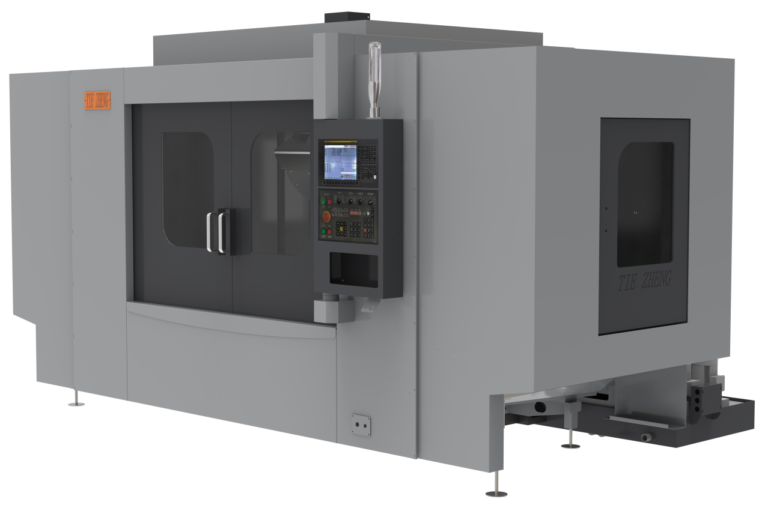
The Tiezheng V1380C is a V-series vertical machining center with a 1400 x 800 mm table, 1300 x 800 x 700 mm X/Y/Z travel and a 1500 kg table load. The reviewed source sheet records a
- Table size
-
1400 x 800 mm
- X/Y/Z-axis travel
-
1300 x 800 x 700 mm
- Maximum table load
-
1500 kg
Review specifications and product media
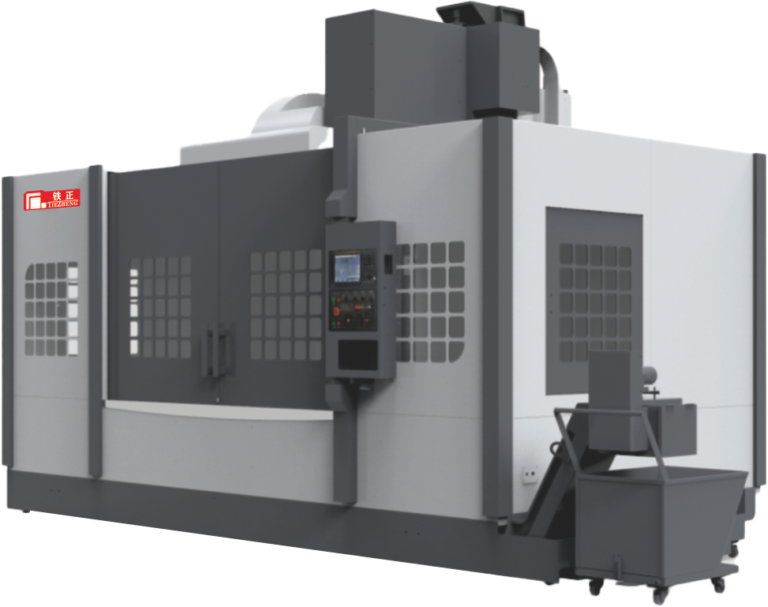
The Tiezheng V1387 is a V-series vertical machining center with a 1400 x 800 mm table, 1300 x 800 x 700 mm X/Y/Z travel and a 1400 kg table load. The reviewed source sheet records an
- Table size
-
1400 x 800 mm
- X/Y/Z-axis travel
-
1300 x 800 x 700 mm
- Maximum table load
-
1400 kg
Review specifications and product media
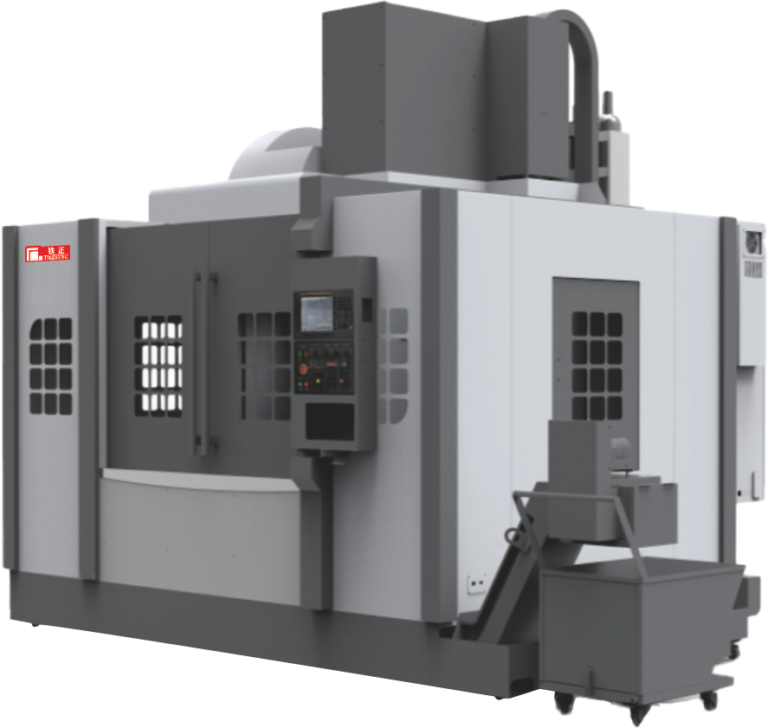
The Tiezheng V1680C is a V-series vertical machining center with a 1700 x 800 mm table, 1600 x 800 x 700 mm X/Y/Z travel and an 1800 kg table load. The reviewed source sheet records a
- Table size
-
1700 x 800 mm
- X/Y/Z-axis travel
-
1600 x 800 x 700 mm
- Maximum table load
-
1800 kg
Review specifications and product media
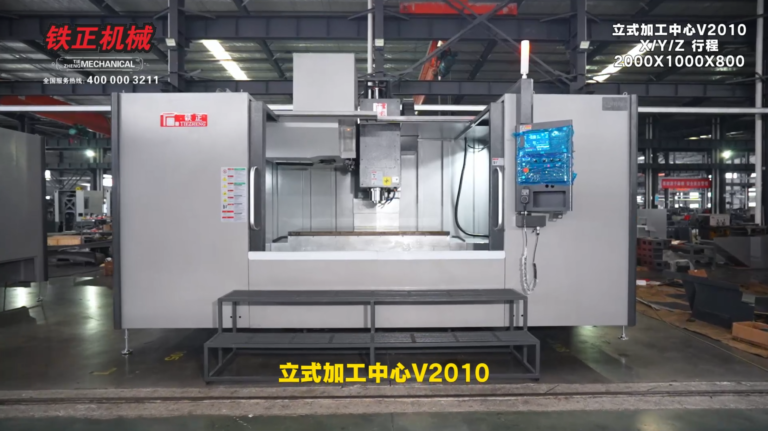
The Tiezheng V2010C is a V-series vertical machining center with a 2100 x 1000 mm table, 2000 x 1000 x 800 mm X/Y/Z travel and a 2200 kg table load. The reviewed source sheet records a
- Table size
-
2100 x 1000 mm
- X/Y/Z-axis travel
-
2000 x 1000 x 800 mm
- Maximum table load
-
2200 kg
Review specifications and product media
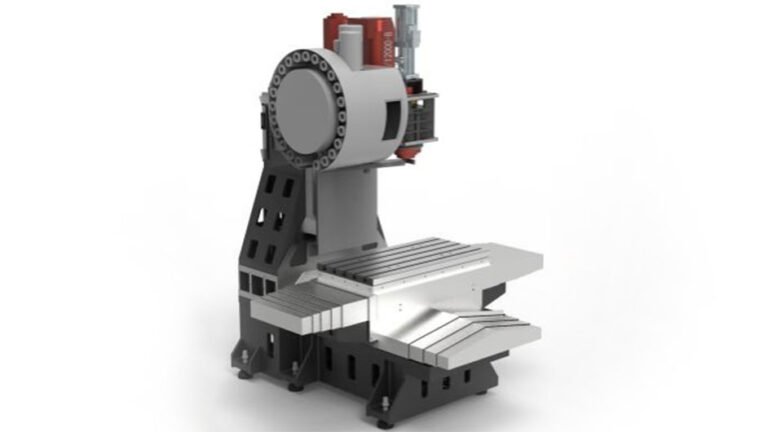
The Tiezheng V640 is a compact V-series vertical machining center with 600 x 400 x 400 mm X/Y/Z travel, a 700 x 400 mm table and a 350 kg table load. It uses a 10,000 rpm
- Table size
-
700 x 400 mm
- X/Y/Z-axis travel
-
600 x 400 x 400 mm
- Maximum table load
-
350 kg
Review specifications and product media
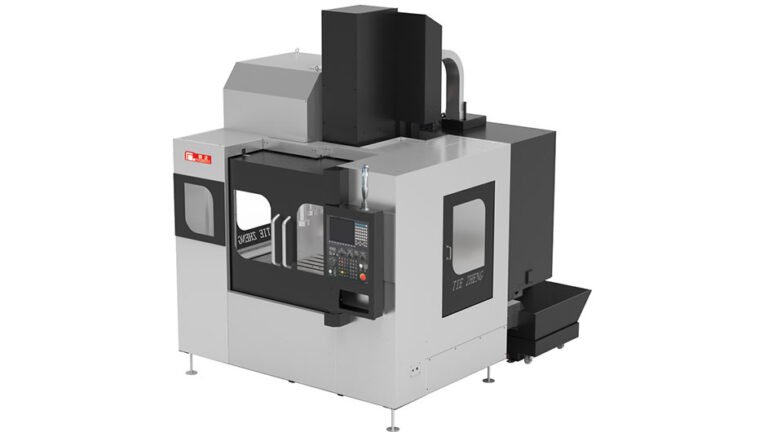
The Tiezheng V840 is a V-series vertical machining center with 800 x 400 x 400 mm X/Y/Z travel, a 1000 x 400 mm table and a 400 kg table load. It uses a 10,000 rpm belt-drive
- Table size
-
1000 x 400 mm
- X/Y/Z-axis travel
-
800 x 400 x 400 mm
- Maximum table load
-
400 kg
Review specifications and product media
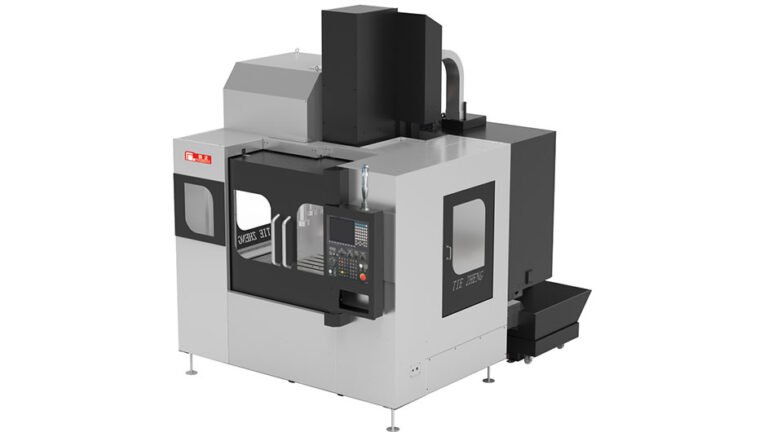
The Tiezheng V850 is a V-series vertical machining center with a 1000 x 500 mm table, 800 x 500 x 500 mm X/Y/Z travel and a 500 kg table load. The reviewed source sheet records a
- Table size
-
1000 x 500 mm
- X/Y/Z-axis travel
-
800 x 500 x 500 mm
- Maximum table load
-
500 kg
Review specifications and product media
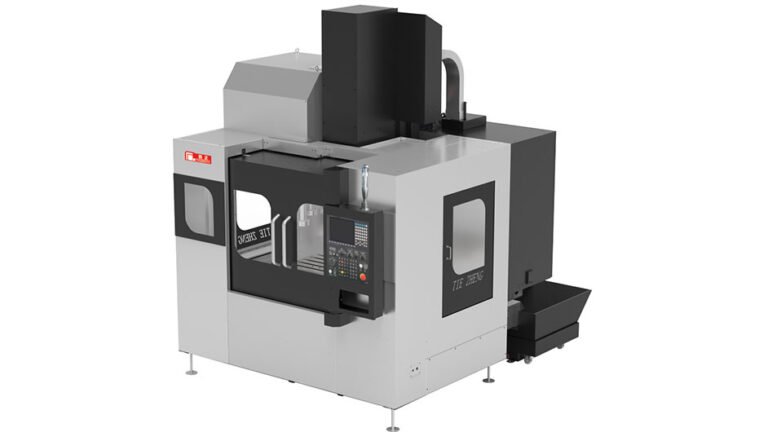
The Tiezheng V855 is a V-series vertical machining center with a 1000 x 550 mm table, 800 x 550 x 550 mm X/Y/Z travel and a 600 kg table load. The reviewed parameter sheet records an
- Table size
-
1000 x 550 mm
- X/Y/Z-axis travel
-
800 x 550 x 550 mm
- Maximum table load
-
600 kg
Review specifications and product media
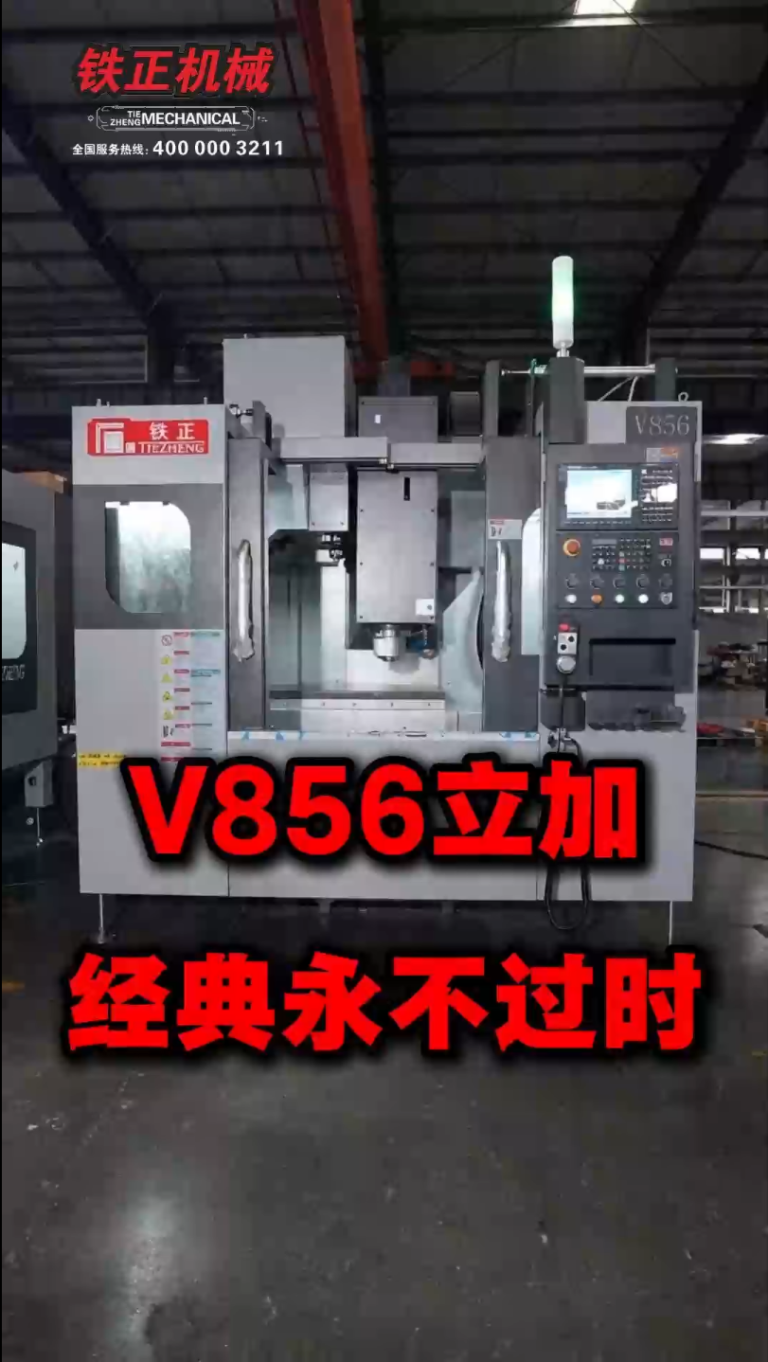
The Tiezheng V856 is a vertical machining center for buyer application screening. Published specifications confirm a 1,000 × 500 mm worktable, 800/500/600 mm X/Y/Z travel, 500 kg worktable load, standard 8,000 rpm spindle speed, 11 kW
- Worktable size
-
1000 × 500 mm
- Standard spindle speed
-
8000 rpm
Review specifications and product media
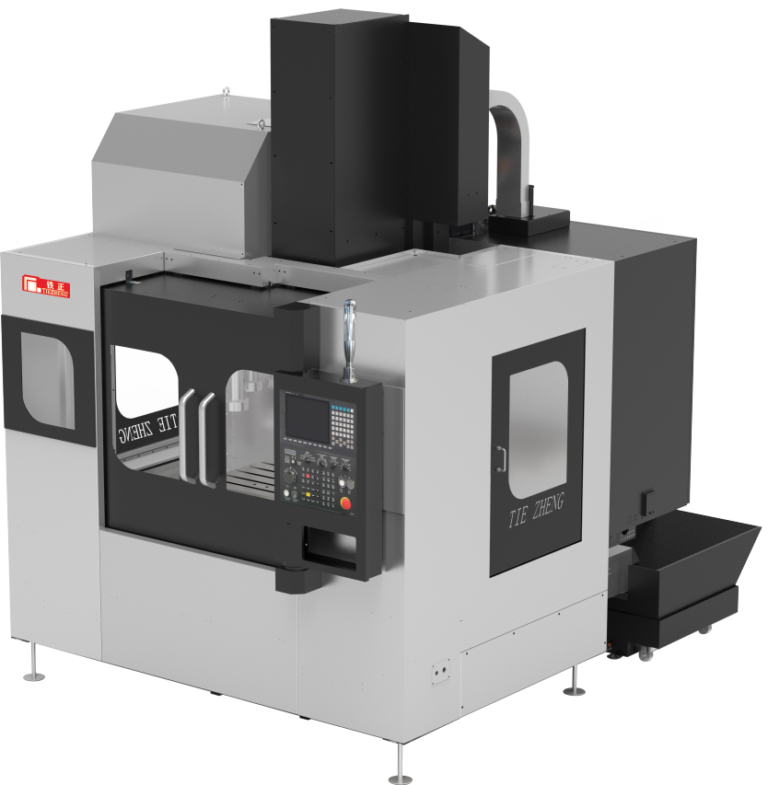
The Tiezheng V858 is a V-series vertical machining center with 800 x 550 x 800 mm X/Y/Z travel, a 1000 x 550 mm table and a 600 kg table load. Its documented spindle uses an 8,000
- Table size
-
1000 x 550 mm
- X/Y/Z-axis travel
-
800 x 550 x 800 mm
- Maximum table load
-
600 kg
Review specifications and product media
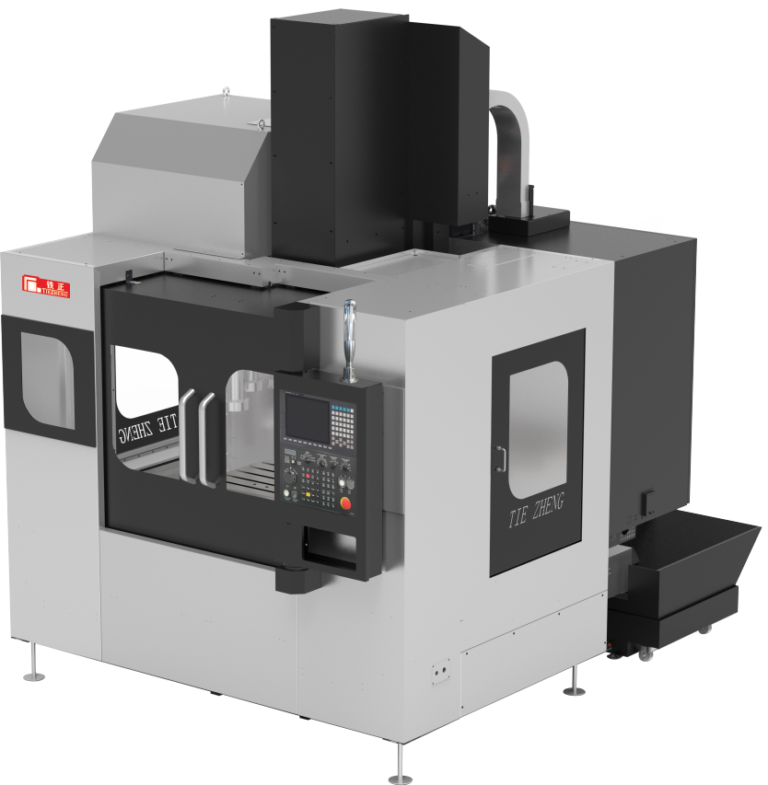
The V875 is a vertical machining center with catalog-documented 800/700/550 mm X/Y/Z travel, a 1000 x 700 mm table, 700 kg maximum table load, BT40-150 spindle taper, 11 kW spindle power and a 24-tool arm-type magazine.
- Maximum table load
-
700 kg
Review specifications and product mediaThe Tiezheng V876 is a vertical machining center with 750 mm X-axis travel, 700 mm Y-axis travel and 600 mm Z-axis travel. Final process suitability, supplied configuration, performance, acceptance requirements, delivery and commercial terms are confirmed
Review specifications and product media
The V878 is a vertical machining center with catalog-documented 800/700/800 mm X/Y/Z travel, a 1000 x 700 mm table, 700 kg maximum table load, BT40-150 spindle taper, 11 kW spindle power and a 24-tool magazine capacity.
- Maximum table load
-
700 kg
Review specifications and product media
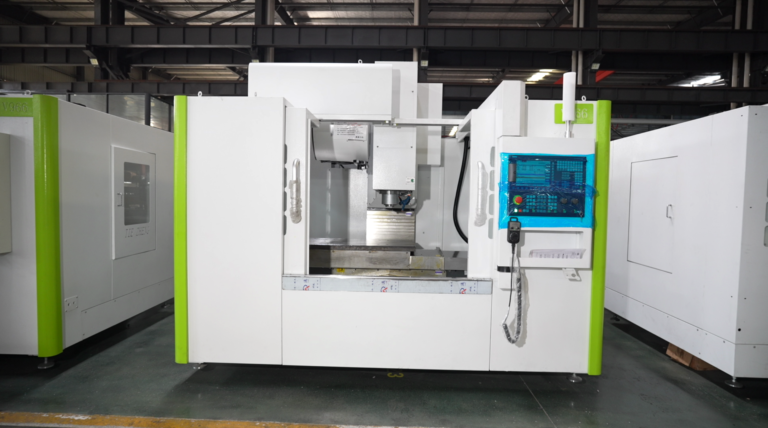
The Tiezheng V966 is a V-series vertical machining center with 900 x 600 x 600 mm X/Y/Z travel, an 1100 x 700 mm table and a 700 kg table load. Its documented spindle uses an 8,000
- Table size
-
1100 x 700 mm
- X/Y/Z-axis travel
-
900 x 600 x 600 mm
- Maximum table load
-
700 kg
Review specifications and product media
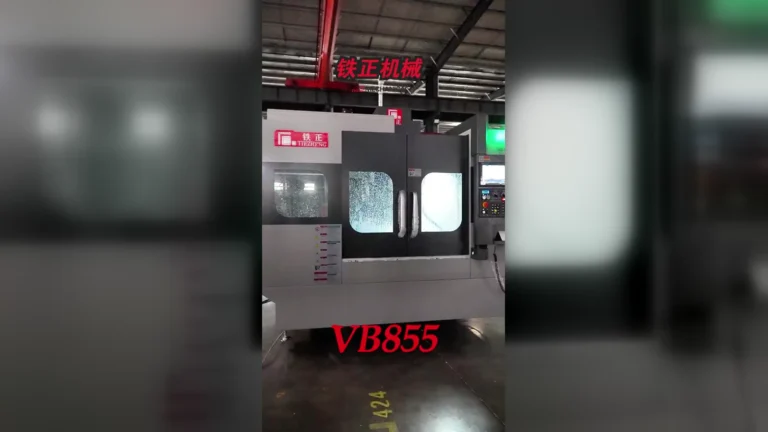
The Tiezheng VB855 is a vertical machining center identified in continuous first-party factory footage. Its verified public specification set is limited to 800 mm X-axis travel, 550 mm Y-axis travel and 550 mm Z-axis travel. All
Review specifications and product media
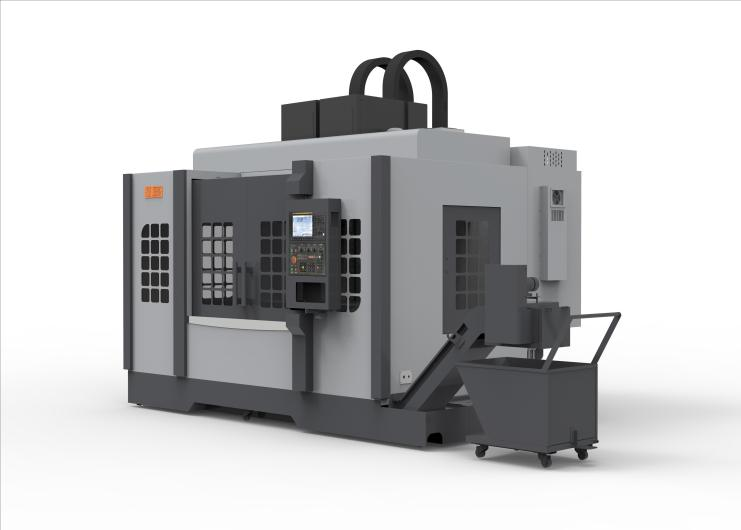
The Tiezheng VF1010C-2 is a VF-series twin-spindle vertical machining center documented with two spindles, two Z axes, a 2100 x 1000 mm table and 1000 x 1000 x 800 mm X/Y/Z travel. The reviewed matrix lists
- Table size
-
2100 x 1000 mm
- X/Y/Z-axis travel
-
1000 x 1000 x 800 mm
- Standard spindle speed
-
6000 rpm
Review specifications and product media
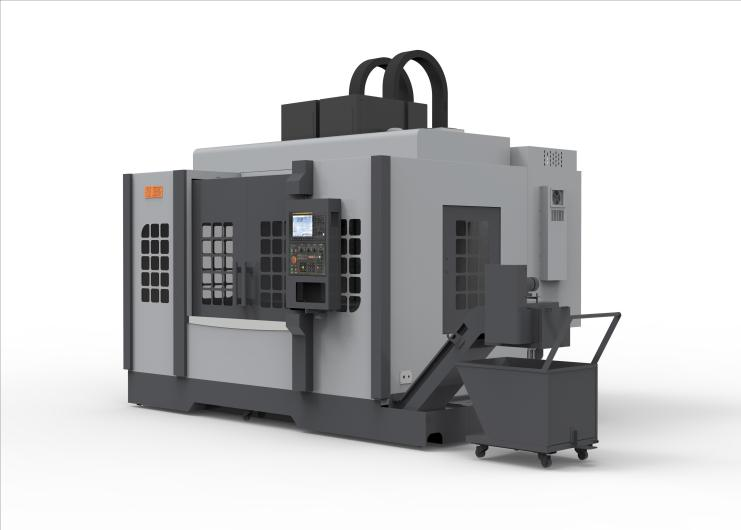
The Tiezheng VF1070-2 is a VF-series twin-spindle vertical machining center documented with two spindles, two Z axes, a 2000 x 700 mm table and 1100 x 700 x 600 mm X/Y/Z travel. The reviewed matrix lists
- Table size
-
2000 x 700 mm
- X/Y/Z-axis travel
-
1100 x 700 x 600 mm
- Standard spindle speed
-
8000 rpm
Review specifications and product media
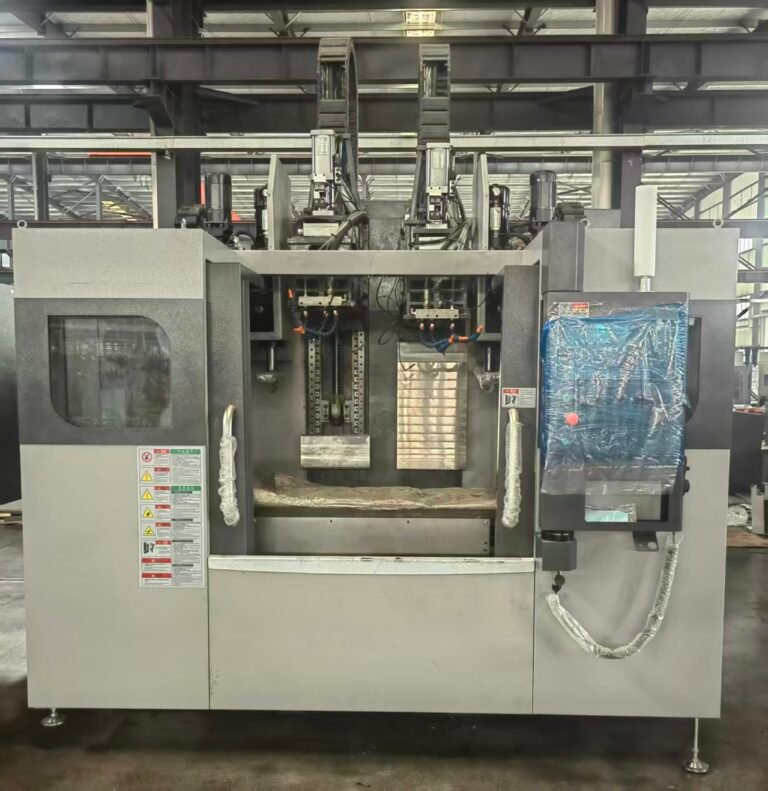
The Tiezheng VF550-2 is a VF-series twin-spindle vertical machining center documented with two spindles, two Z axes, a 1000 x 500 mm table and 550 x 550 x 550 mm X/Y/Z travel. The reviewed matrix lists
- Table size
-
1000 x 500 mm
- X/Y/Z-axis travel
-
550 x 550 x 550 mm
- Standard spindle speed
-
8000 rpm
Review specifications and product media
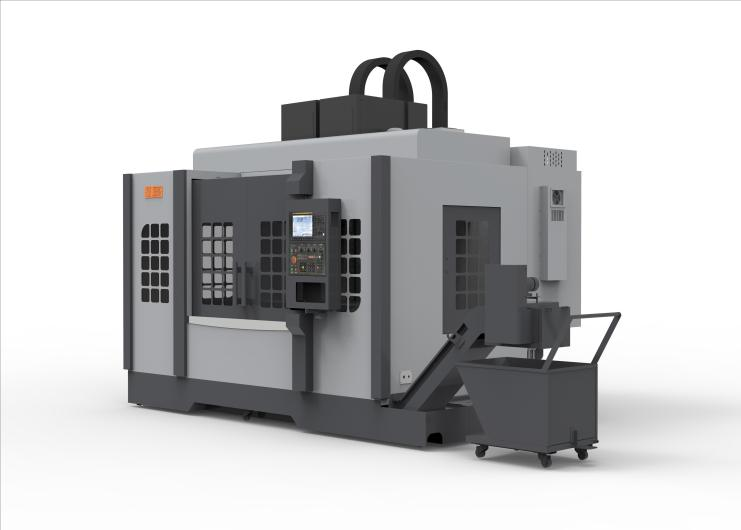
The Tiezheng VF660-2 is a VF-series twin-spindle vertical machining center documented with two spindles, two Z axes, a 1200 x 600 mm table and 620 x 600 x 600 mm X/Y/Z travel. The reviewed matrix lists
- Table size
-
1200 x 600 mm
- X/Y/Z-axis travel
-
620 x 600 x 600 mm
- Standard spindle speed
-
8000 rpm
Review specifications and product media
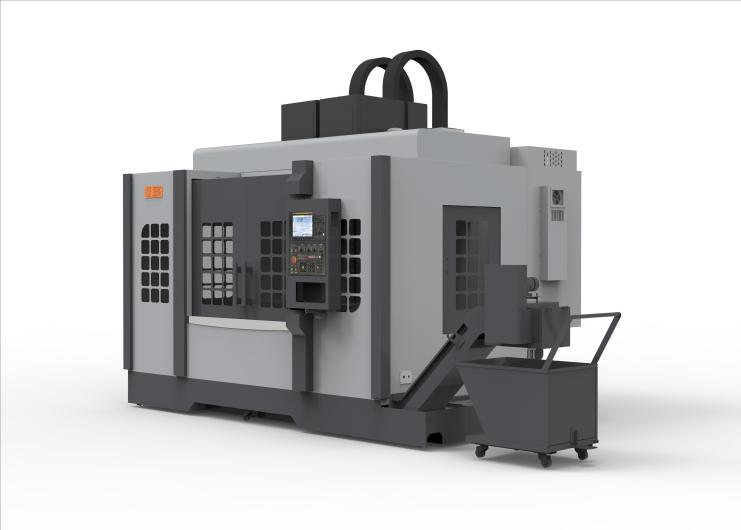
The Tiezheng VF860-2 is a VF-series twin-spindle vertical machining center documented with two spindles, two Z axes, a 1700 x 600 mm table and 810 x 600 x 600 mm X/Y/Z travel. The reviewed matrix lists
- Table size
-
1700 x 600 mm
- X/Y/Z-axis travel
-
810 x 600 x 600 mm
- Standard spindle speed
-
8000 rpm
Review specifications and product media
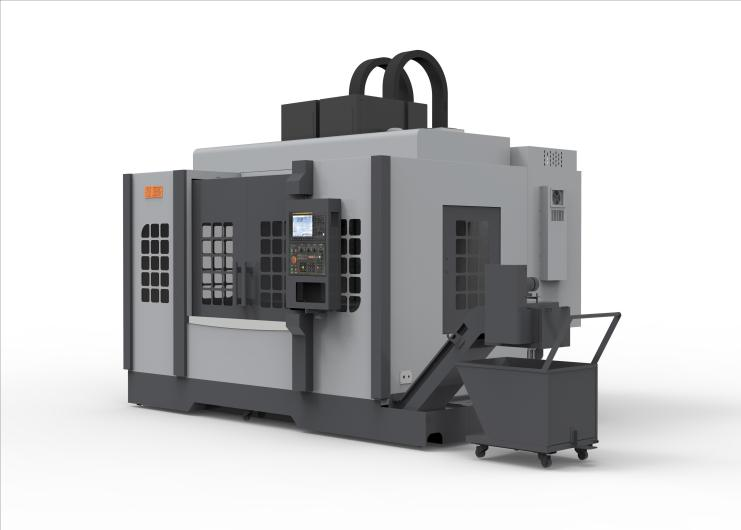
The Tiezheng VF870-2 is a VF-series twin-spindle vertical machining center documented with two spindles, two Z axes, a 1700 x 700 mm table and 810 x 700 x 600 mm X/Y/Z travel. The reviewed matrix lists
- Table size
-
1700 x 700 mm
- X/Y/Z-axis travel
-
810 x 700 x 600 mm
- Standard spindle speed
-
8000 rpm
Review specifications and product media
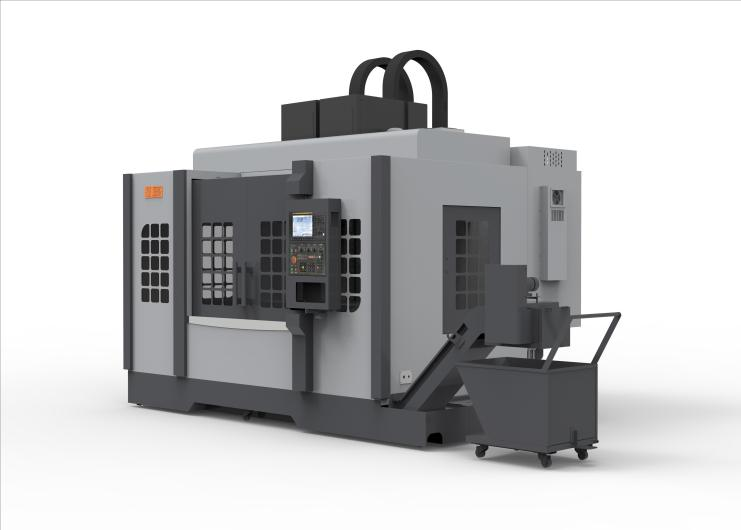
The Tiezheng VF880C-2 is a VF-series twin-spindle vertical machining center documented with two spindles, two Z axes, a 1700 x 800 mm table and 800 x 800 x 700 mm X/Y/Z travel. The reviewed matrix lists
- Table size
-
1700 x 800 mm
- X/Y/Z-axis travel
-
800 x 800 x 700 mm
- Standard spindle speed
-
6000 rpm
Review specifications and product media
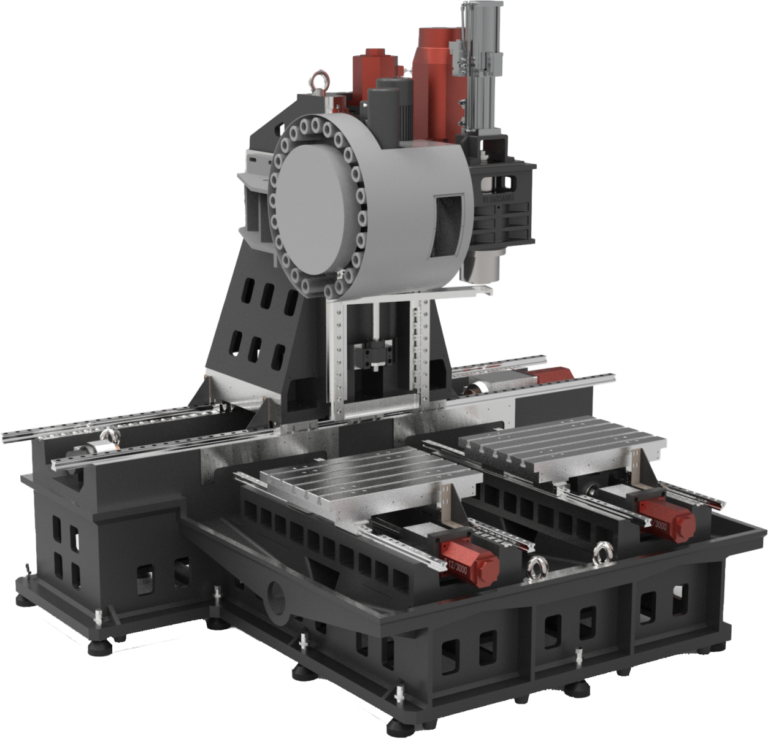
The Tiezheng VS650 is a vertical dual-pallet linear-guide machining center documented with two 650 x 500 mm tables, 1600 x 550 x 500 mm X/Y/Z travel and a 500 kg maximum table load. The reviewed source
- Table size
-
650 x 500 mm
- Maximum table load
-
500 kg
- Standard spindle speed
-
8000 rpm
Review specifications and product media
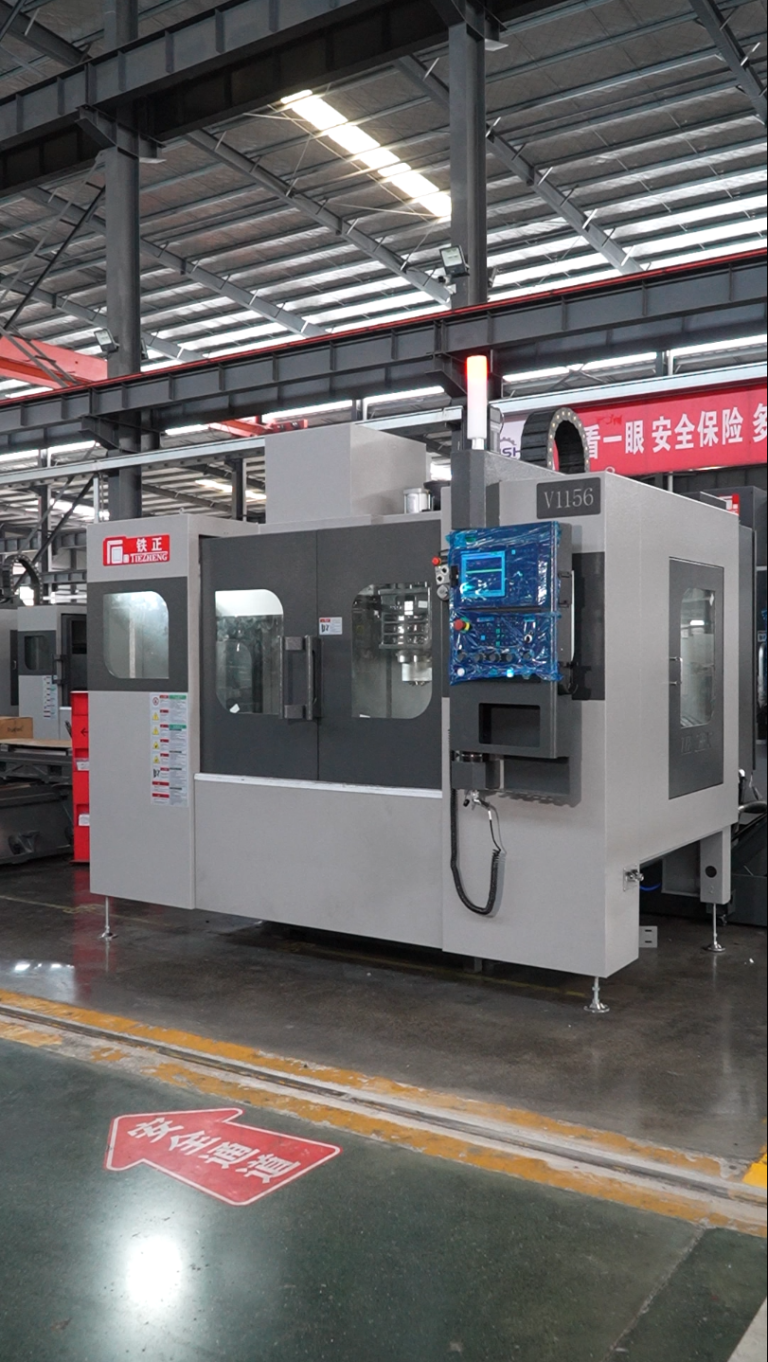
V1156 is listed as a V-series vertical machining center for CNC milling. Confirm the required configuration, dimensions and application with engineering.
Review specifications and product media
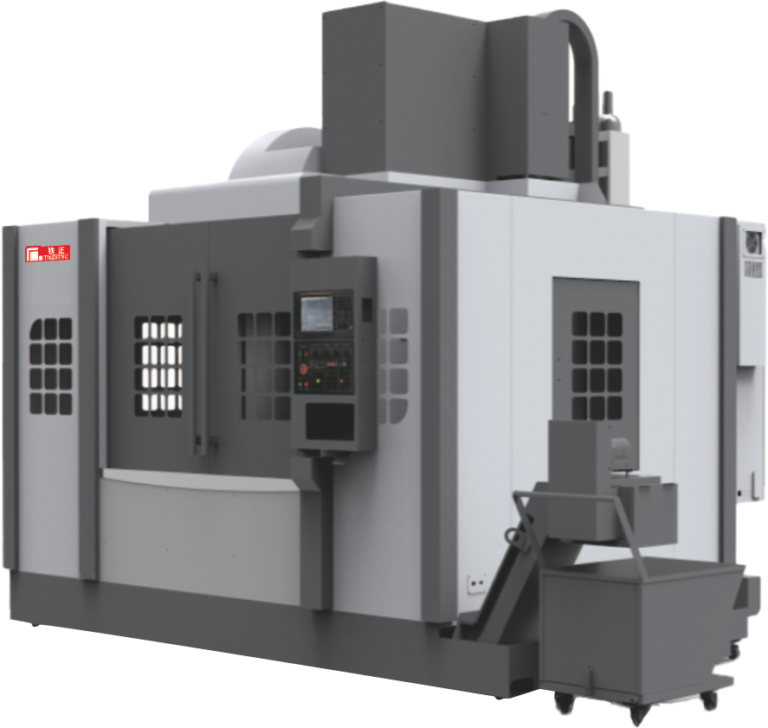
V1286 is listed as a V-series vertical machining center for CNC milling. Confirm the required configuration, dimensions and application with engineering.
Review specifications and product mediaV1340 is listed as a V-series vertical machining center for CNC milling. Confirm the required configuration, dimensions and application with engineering.
Review specifications and product media

V1355 is a vertical machining center with a 1400 × 500 mm table, 1300 × 550 × 550 mm X/Y/Z-axis travels and a stated maximum table load of 800 kg. The standard belt-driven spindle is specified
- Table size
-
1400 × 500 mm
- Maximum table load
-
800 kg
- Standard spindle speed
-
8000 rpm
Review specifications and product media
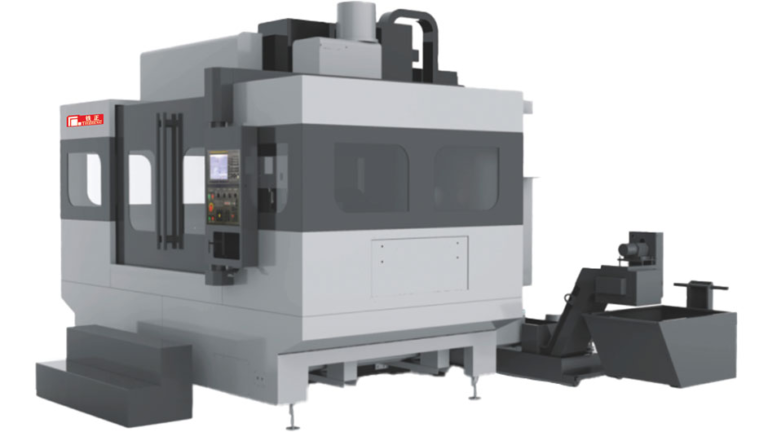
V1356 is listed as a V-series vertical machining center for CNC milling. Confirm the required configuration, dimensions and application with engineering.
Review specifications and product media
V1366 is listed as a vertical machining center. Confirm the exact supplied configuration and the requirements of the intended operation with engineering.
Review specifications and product mediaV3110C is listed as a vertical machining center. Confirm the exact supplied configuration and the requirements of the intended operation with engineering.
Review specifications and product mediaV430 is listed as a V-series vertical machining center for CNC milling. Confirm the required configuration, dimensions and application with engineering.
Review specifications and product mediaV877 is listed as a V-series vertical machining center for CNC milling. Confirm the required configuration, dimensions and application with engineering.
Review specifications and product mediaVB1160 is a vertical machining center. Discuss the milling operation and confirm the supplied configuration, fixture and usable working space with engineering.
Review specifications and product mediaVB1377 is a vertical machining center. Discuss the milling operation and confirm the supplied configuration, fixture and usable working space with engineering.
Review specifications and product media

VF550-1 specifications include a 1000×500 mm table and 550 mm X/Y/Z travel. Confirm the listed two-spindle arrangement and application with engineering.
- Table size
-
1000×500 mm
Review specifications and product mediaVF680C-2 is listed as a vertical machining center. Confirm the exact supplied configuration and the requirements of the intended operation with engineering.
Review specifications and product media

VF770-2 is a twin-spindle vertical machining center for CNC milling. Its standard table measures 1400×700 MM, with X, Y and Z travels of 750 MM, 700 MM and 600 MM. Review the spindle-to-table space, tooling and
Review specifications and product media
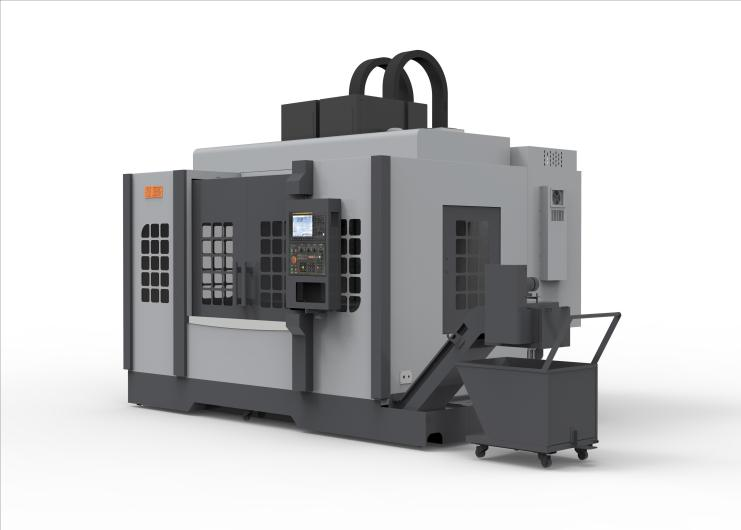
VF770-2-H750 is listed as a vertical machining center. Confirm the exact supplied configuration and the requirements of the intended operation with engineering.
Review specifications and product mediaVF770-2-H950-02 is listed as a vertical machining center. Confirm the exact supplied configuration and the requirements of the intended operation with engineering.
Review specifications and product media
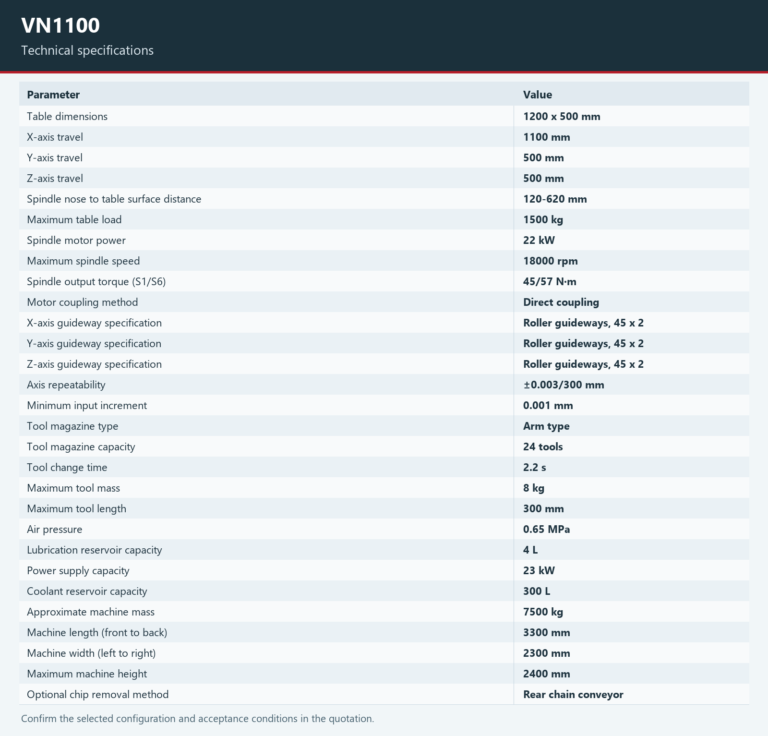
The VN1100 is a ram-type vertical machining center with X/Y/Z travels of 1100/500/500 mm. Its listed table dimensions are 1200 x 500 mm. Review travel, table size, fixture height and supported load separately. Confirm the spindle
- Maximum table load
-
1500 kg
Review specifications and product media
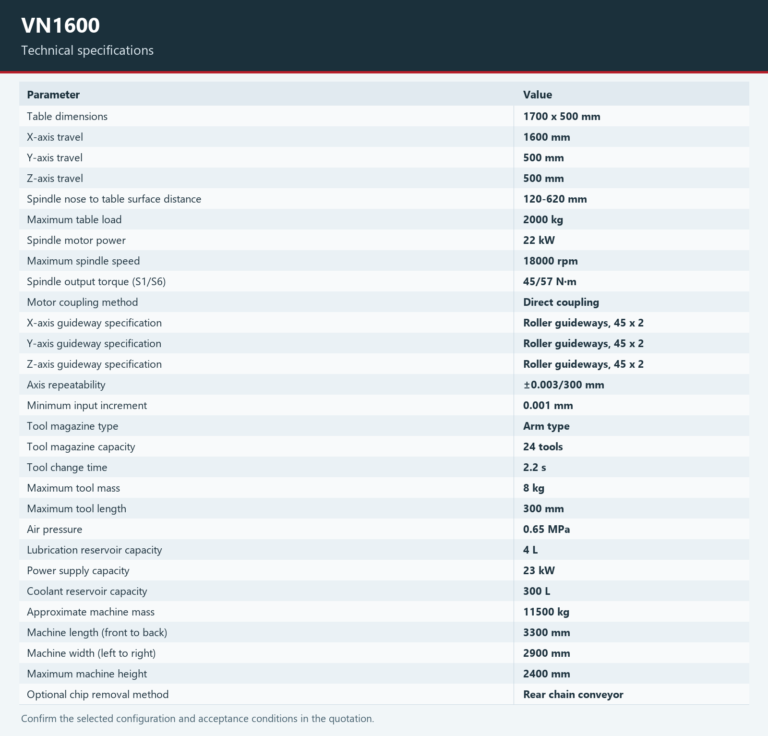
The VN1600 is a ram-type vertical machining center with X/Y/Z travels of 1600/500/500 mm. Its listed table dimensions are 1700 x 500 mm. Review travel, table size, fixture height and supported load separately. Confirm the spindle
- Maximum table load
-
2000 kg
Review specifications and product media

The VN800 is a ram-type vertical machining center with X/Y/Z travels of 800/500/500 mm. Its listed table dimensions are 800 x 500 mm. Review travel, table size, fixture height and supported load separately. Confirm the spindle
- Maximum table load
-
1000 kg
Review specifications and product mediaTiezheng VS950 is a vertical machining centre with two shuttle pallets and one spindle. Its pallet size is 900 × 500 mm, with X/Y/Z travel of 2200/550/500 mm and a listed table load of 700 kg.
- Maximum table load
-
700 kg
Review specifications and product mediaTiezheng VSF950 is a vertical machining centre with two shuttle pallets and two spindles. Its pallet size is 900 × 500 mm, with X/Y/Z travel of 2200/550/500 mm and a listed table load of 700 kg.
- Maximum table load
-
700 kg
Review specifications and product media